Free Educational
Games
Free Educational Games
History Games Initiative
This expands smoothly using only CSS! No JavaScript is required. You can edit this text just like normal HTML.
Japanese Language
You can add as many of these blocks as you like. Just duplicate the "details" section.
Digital Hummanities Resources
You can add as many of these blocks as you like. Just duplicate the "details" section.
Want to learn about Japan’s tumultuous encounter with foreign powers in the 19th century? What about violence in Medieval Japan, or what it might have been like to be one of the famous 47 ronin? Do you need tools for remembering kanji and hiragana? We’ve got all that and more. All the games and resources on this page have been designed by teams of undergraduate students working closely with a faculty advisor.
History Games Initiative
Palace of Poetry
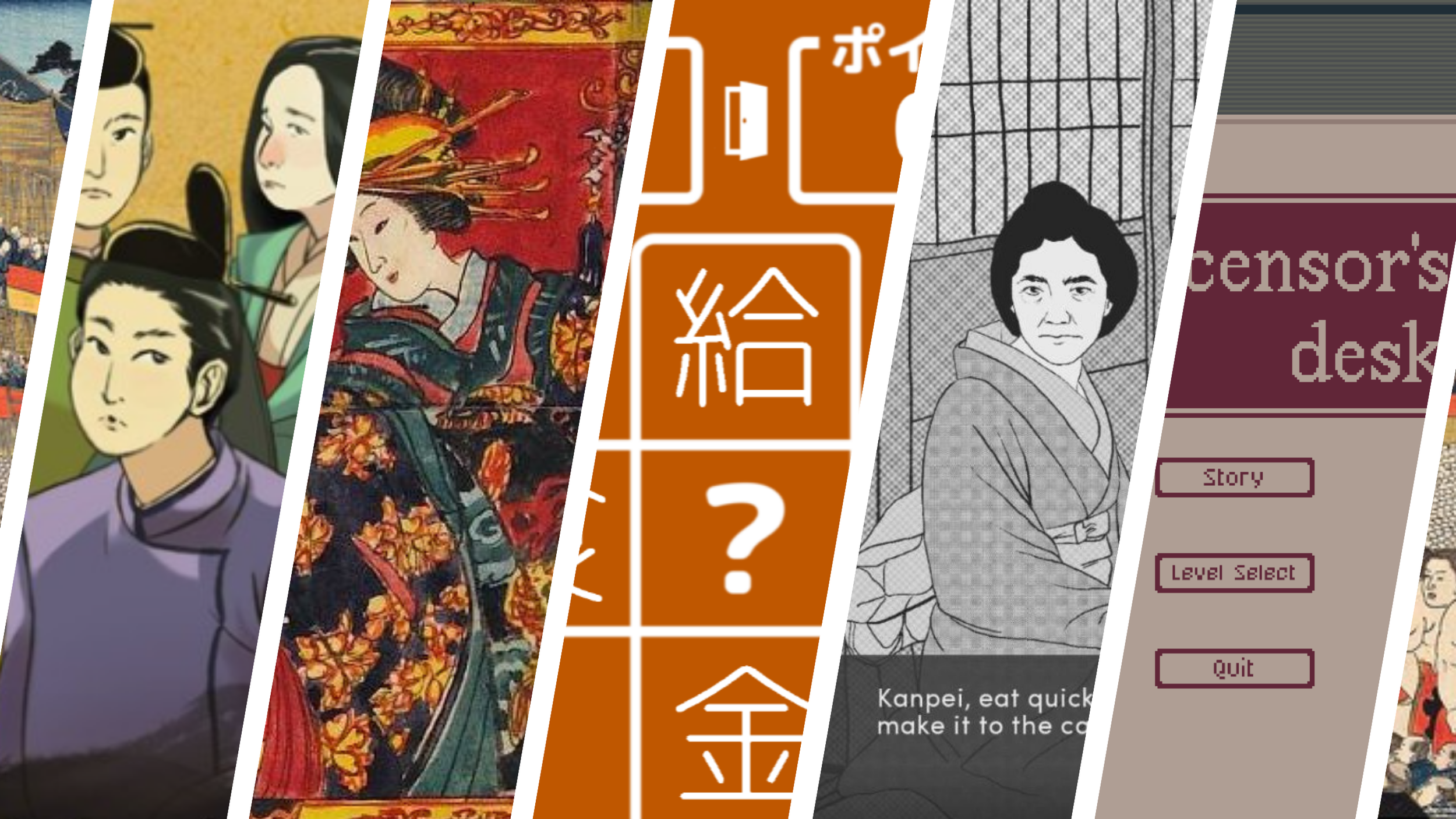
In Palace of Poetry, a first-person narrative experience, players engage with the women of Genji’s world, immersing themselves in the culture, history, gender dynamics, and daily life of Heian-era Japan. The game seeks to bring this literary classic to a modern audience, making its timeless themes and intricate social world more accessible and engaging.

Ghosts Over The Water
It is the summer of 1853. A small fleet of ships commanded by Matthew C. Perry have stormed into Edo Bay, engaging in no violence but causing immense panic. Over two hundred years had passed with Japanese borders closed to outsiders—and suddenly, these foreigners were at the country’s shores demanding open trade. You play as Tsumaki Naoharu: an ambitious, curious young samurai working under Abe Masahiro, the chief senior councillor of Tokugawa Japan.

Death and Taxes
The popular image of the samurai centers on combat and the mythical code of bushido. This short game explores the grinding economic reality of a low-ranking samurai in Tokugawa period (1600-1868) Japan. For its source material, it draws from a pathbreaking article by historian Constantine N. Vaporis ("Samurai & Merchant in Mid-Tokugawa Japan.")
Ako: A Tale of Loyalty
Imagine you're a young samurai in Japan in 1701. You have to make an excruciating choice between family and honor – either go into impoverished exile with your mother and sister who will need your help to survive, or join your fellow masterless samurai in a quixotic quest to avenge the death of your dishonored lord. Which do you choose? Ako: A Test of Loyalty takes you into the story of the 47 ronin, one of the most famous episodes in Japanese history.

Ready, Set, Yokohama!
How has Japan adapted to expanding foreign influence and likewise, how has the nation of the rising sun infiltrated the outside world? These are the questions you will be asking throughout your sojourn to and from Yokohama treaty port, a wide-open harbor of possibility, opportunity, and adventure. Race from Tokyo to Yokohama in this now-digitized rich and colorful sugoroku board game from 1872 and learn about travel, technology, and cultural exchange in Japan during the late-19th century.

The Censor’s Desk
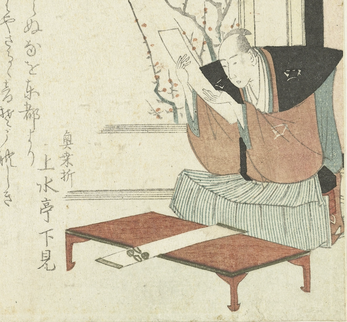
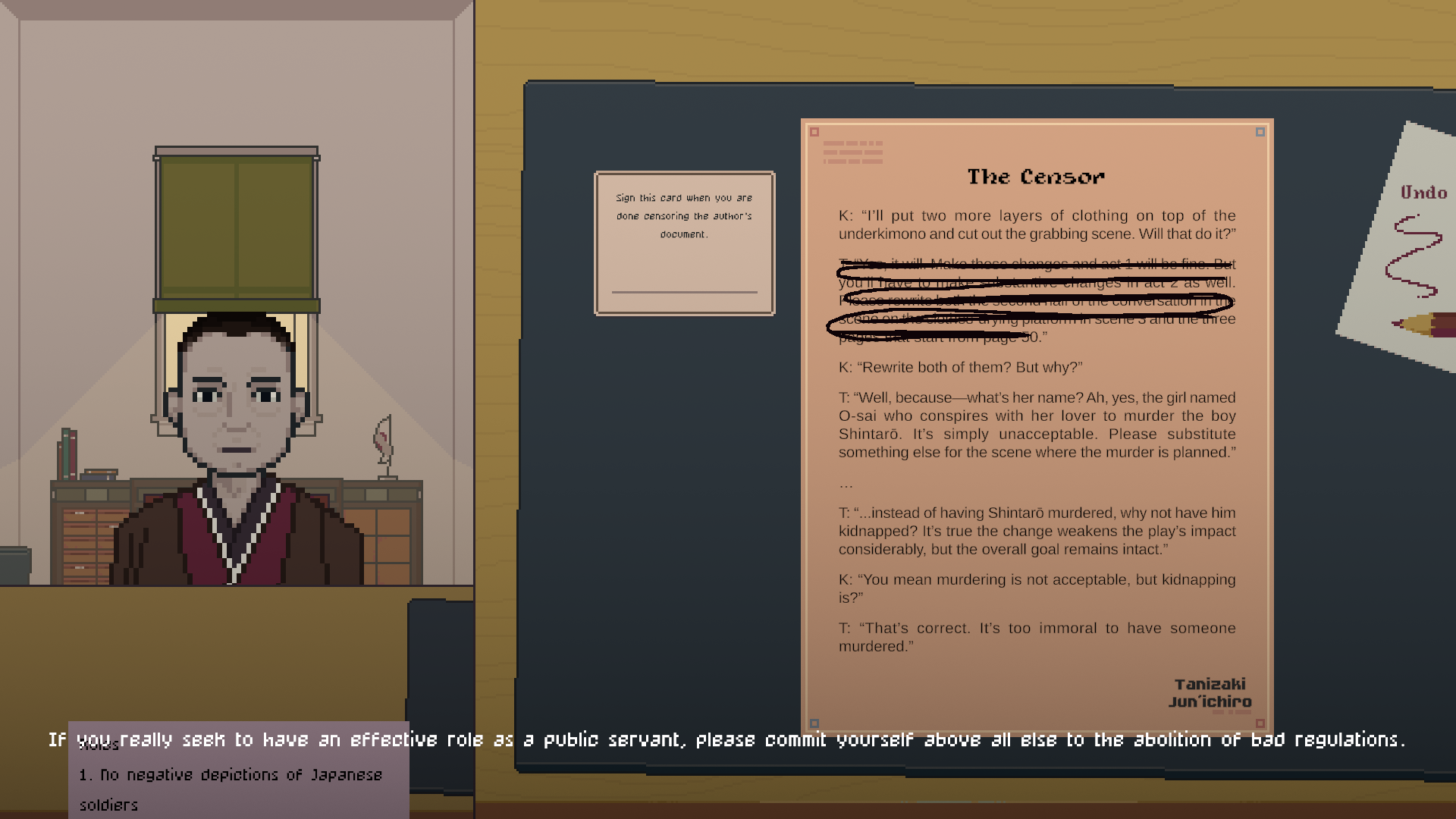
Imagine you are a government censor working for the Japanese government in imperial Japan, or an official in the Civil Censorship Detachment at General Headquarters working under General Douglas MacArthur in the late 1940s during the Allied Occupation of Japan. The rules of censorship are constantly changing based on shifting political and practical considerations that, even from the start, were never so clearcut.
Japanese Language
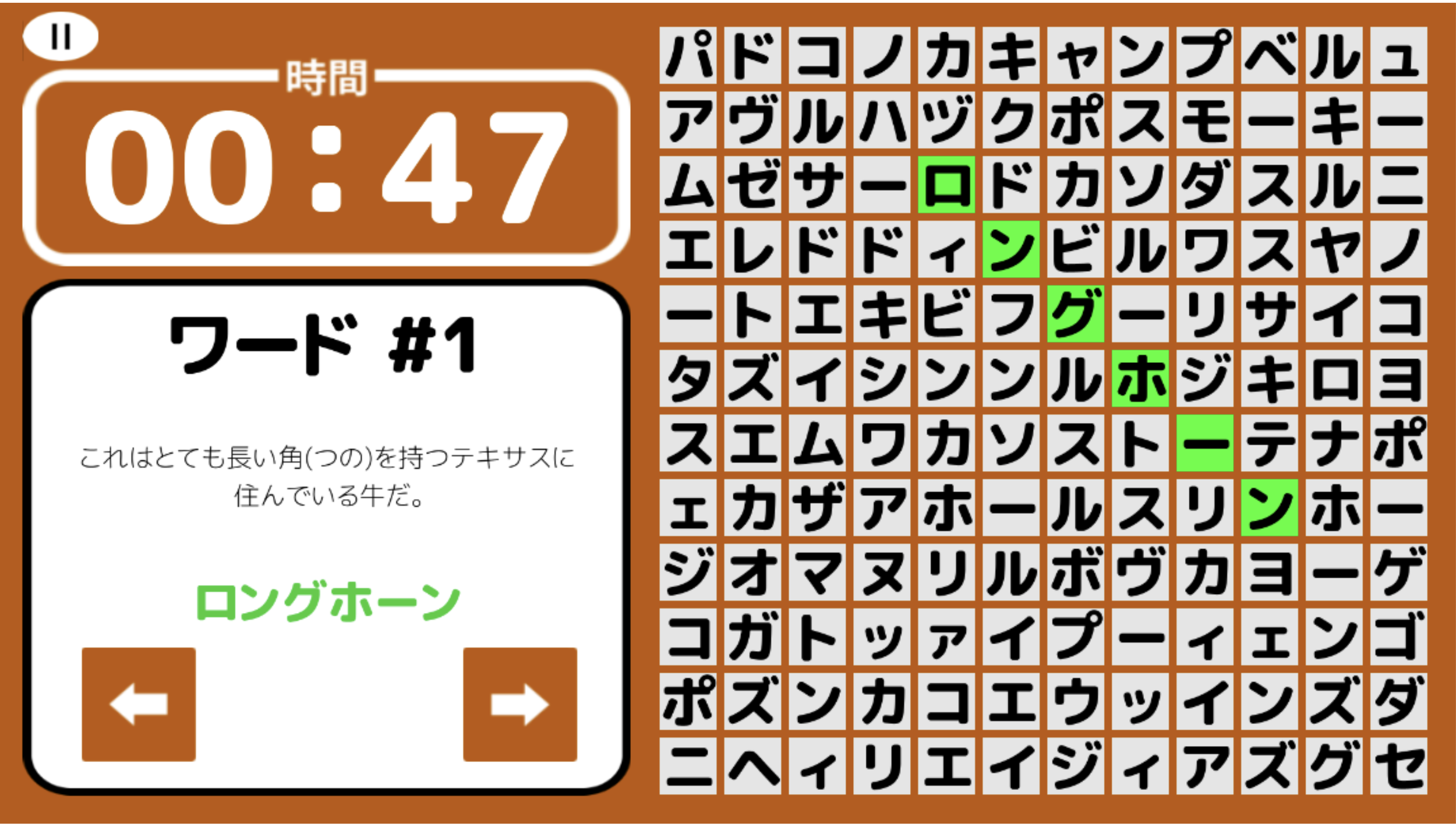
Joshu (Japanese Language Learning)
Japanese Online Self-Help Utility (JOSHU) is a set of innovative language tools developed by Dr Naoko Suito, who taught Japanese courses at the University of Texas at Austin for many years. JOSHU includes a range of tools for Japanese language instructors and for anyone interested in learning Japanese. In Japanese, JOSHU literally means "assistant", or "tutor", which is what this website attempts to do for anyone interested in learning the Japanese language.
Digital Humanities Resources
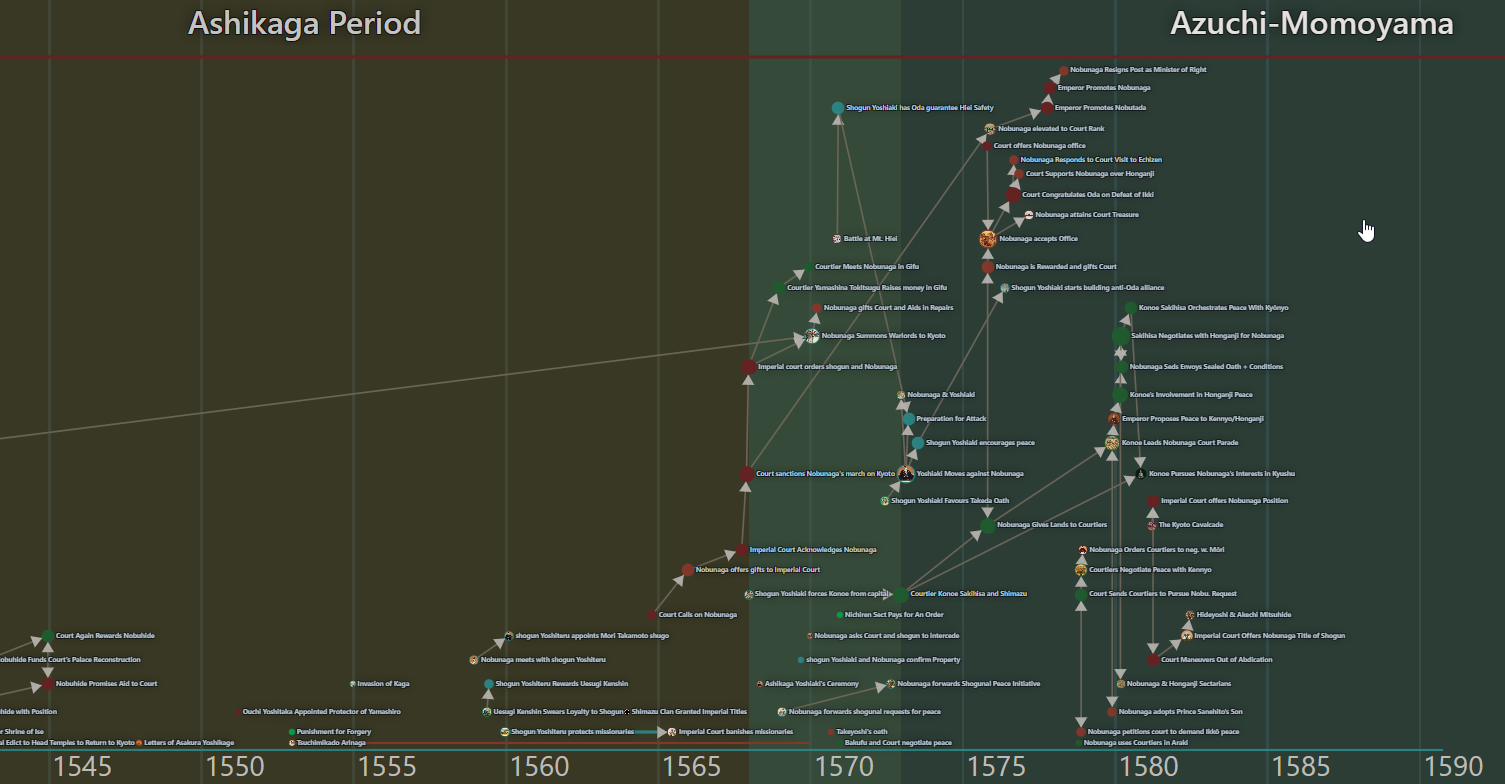
Mapping Violence in Medieval Japan
This digital exhibit helps students learn how to make sense of a world at war. A variety of digital tools provide students with unique access to the causes, origins, and connections that sustained institutional power during the Sengoku period (1477-1573).