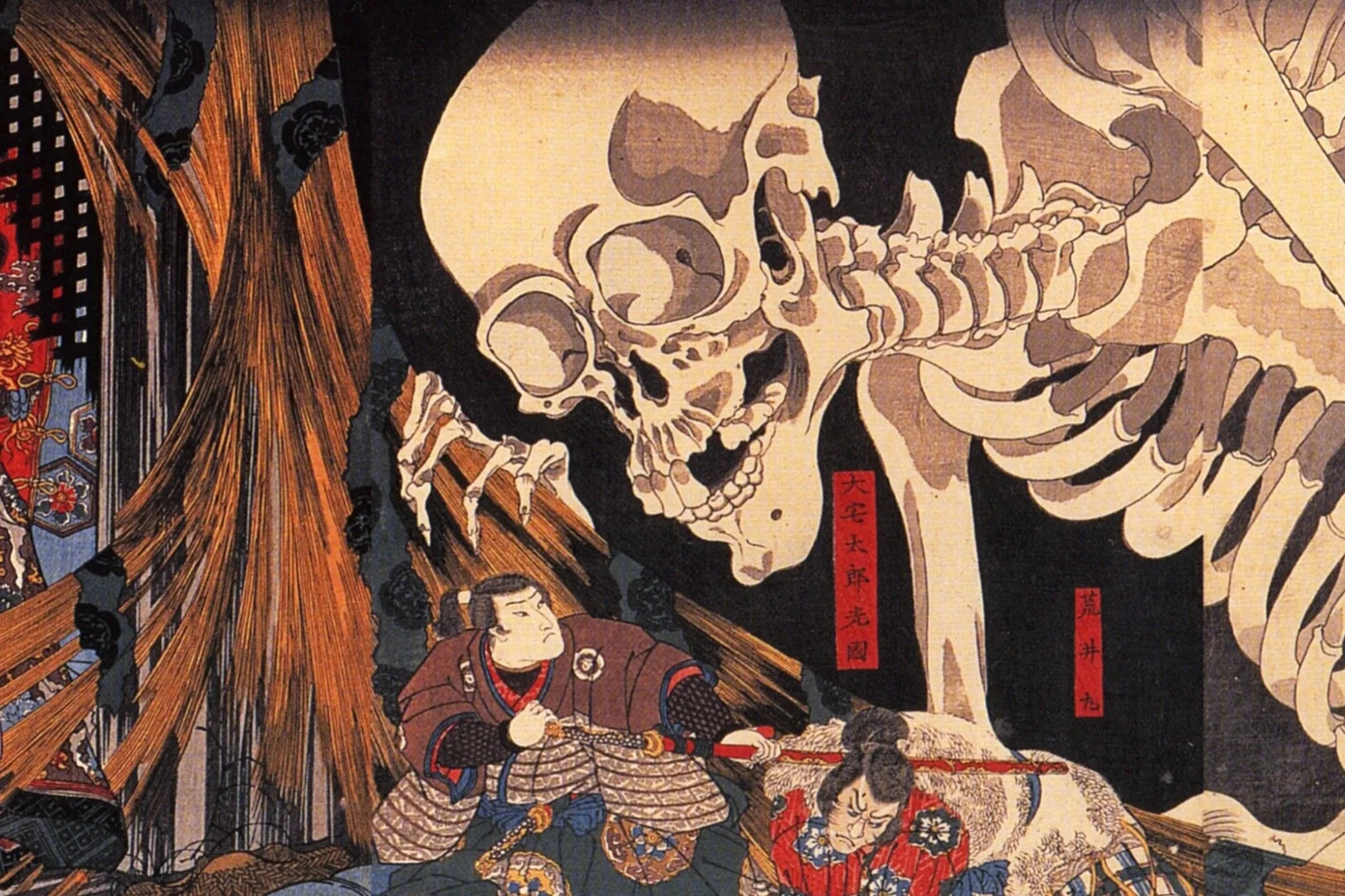
Gaming Japan: JapanLab pairs a seminar on Japanese history, literature, or film with a game development laboratory in which students work in teams to either design and build a game or produce a comprehensive game concept proposal. The first half of the course emphasizes close engagement with primary sources and current scholarship in Japanese Studies while introducing core ideas from game studies. The second half converts the classroom into a collaborative studio where students develop either a playable prototype or a polished concept package through a sequence of scaffolded milestones, playtests, and revisions. The semester concludes with a public showcase in which teams present their prototypes or Game Design Document.
For Spring semester 2027, we are recruiting teams for two courses. See below for application instructions and course themes.

Spring 2027 Applications
Apply by October 25, 2026
Applications are competitive as space is limited. It will take around 45 minutes to complete the application. Successful applicants will be asked to interview on a rolling basis starting in October. Find answers to frequently asked questions here. Apply by October 25, 2026 for preference in admission.
No prior experience is required, but an ideal team will include students with a combination of:
Traditional art and/or digital art skills
Computer Science / coding experience
Experience in background music and/or sound design
Research experience
Strong creative and/or analytical writing skills
Students with any of the above are encouraged to apply. Individuals may play multiple roles in a team, so applicants are welcome to share their experience in more than one area.
Successful applicants will be required to register in the JapanLab Game Dev course (ANS361 GAMING JAPAN—JAPANLAB). There are two sections of this course, each with a different instructor and theme.
Spring 2027 Course Themes
Section 1: Rashōmon Rebooted
MW 2:00 pm - 3:30 pm in RLP 0.106
Instructor: Kirsten Cather
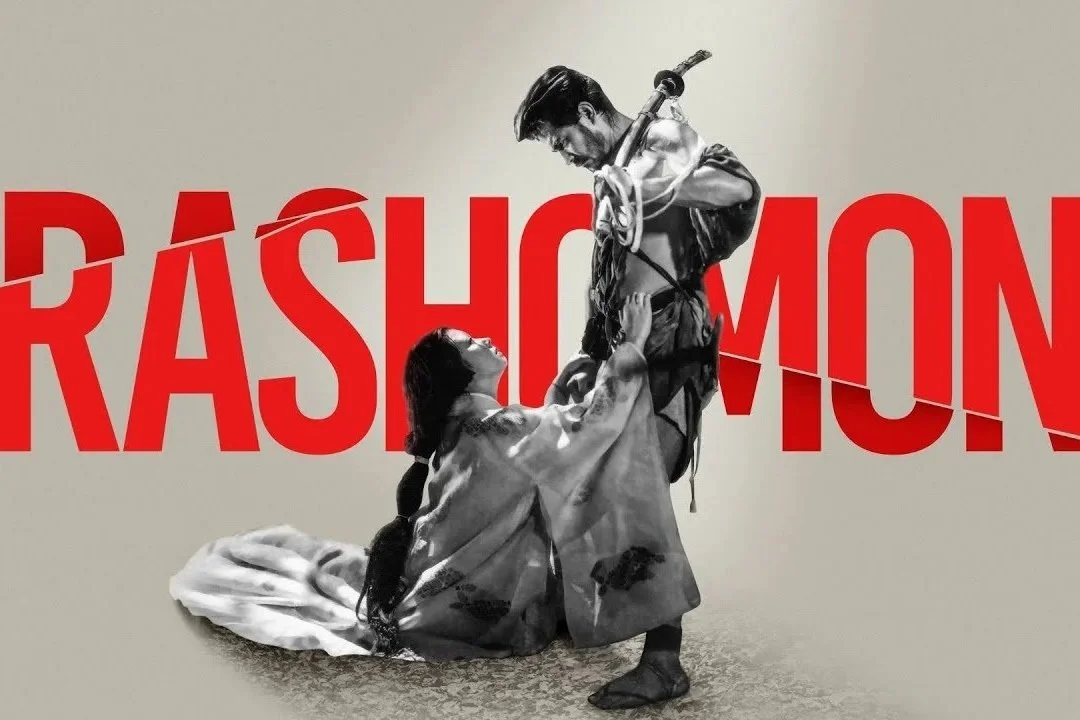
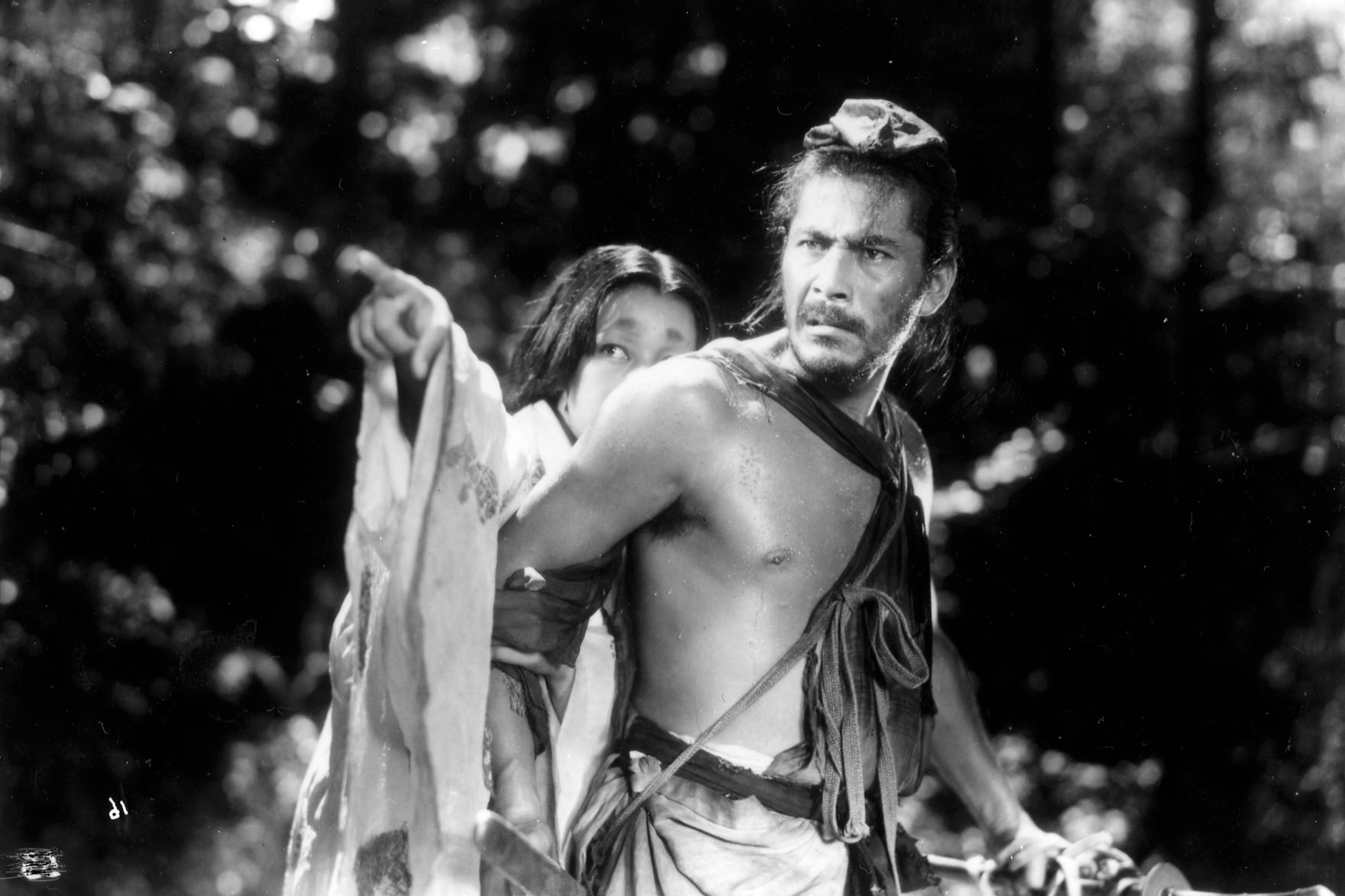
If a man dies in a forest and everyone is there to witness it, did it happen? And whose story do you believe? Akira Kurosawa’s award-winning 1950 film Rashōmon tells the story – or rather multiple stories – of the mystery of a samurai murdered in a grove. But far from a regular whodunit, this is an everyone-dunit; all parties – a bandit, the samurai’s wife, and even the dead spirit of the man himself – declare themselves guilty. “The Rashōmon effect” has long since become shorthand for unreliable narrators and for the instability of truth and memory. It has been adapted countless times into hit sitcoms from The Simpsons, X Files, 30 Rock, and How I Met Your Mother to Star Trek episodes. Political analysts invoke the term today to talk about fake news in our age of disinformation.
Our game – Rashōmon Rebooted – will piece back together the story from the many pieces that make up Rashōmon – from a 12th century collection of Buddhist tales to modern short stories by famed author Ryūnosuke Akutagawa and Kurosawa’s award-winning film. Taking inspiration from the hit video game Ace Attorney and the manga-anime series Bungō Stray Dogs, our team will recreate these stories with the benefit of our 21st century perspective to add yet another layer to the Rashōmon effect.

Section 2: Age of Epidemics
MW 3:30 pm - 5:00 pm in GAR 2.112
Instructor: Alexander Sogo
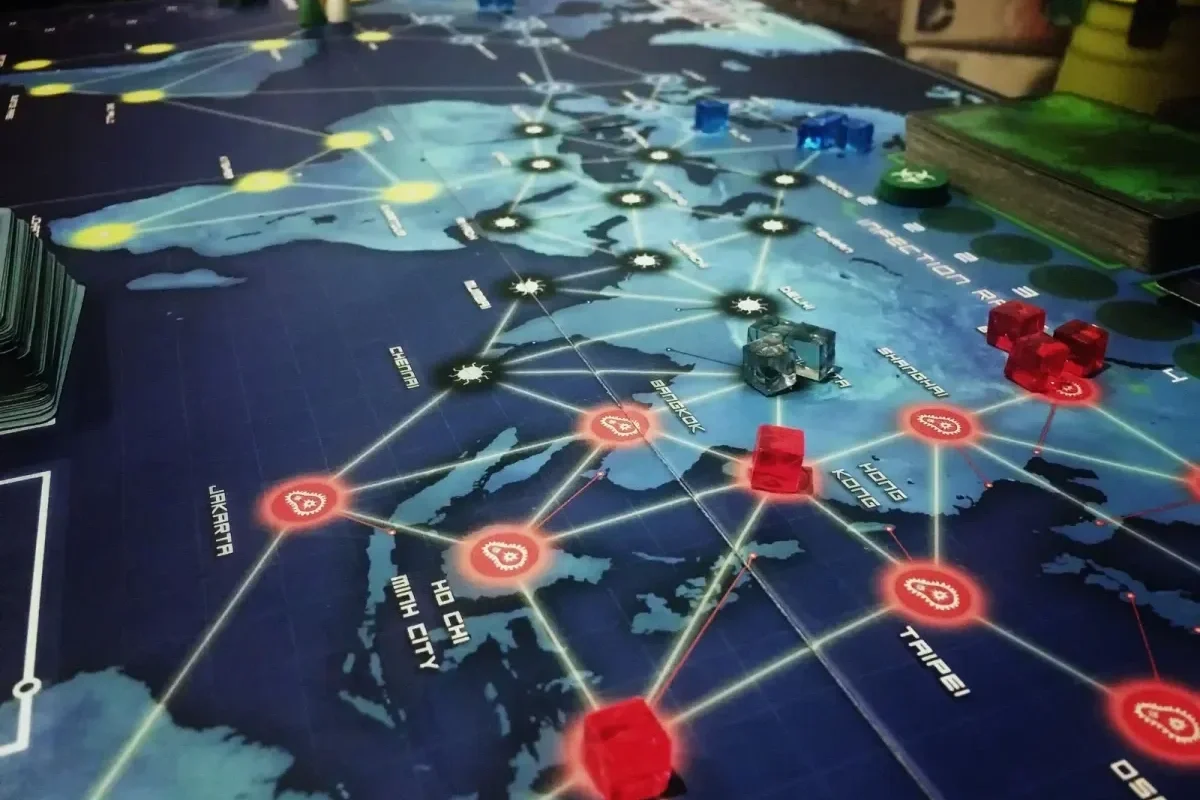
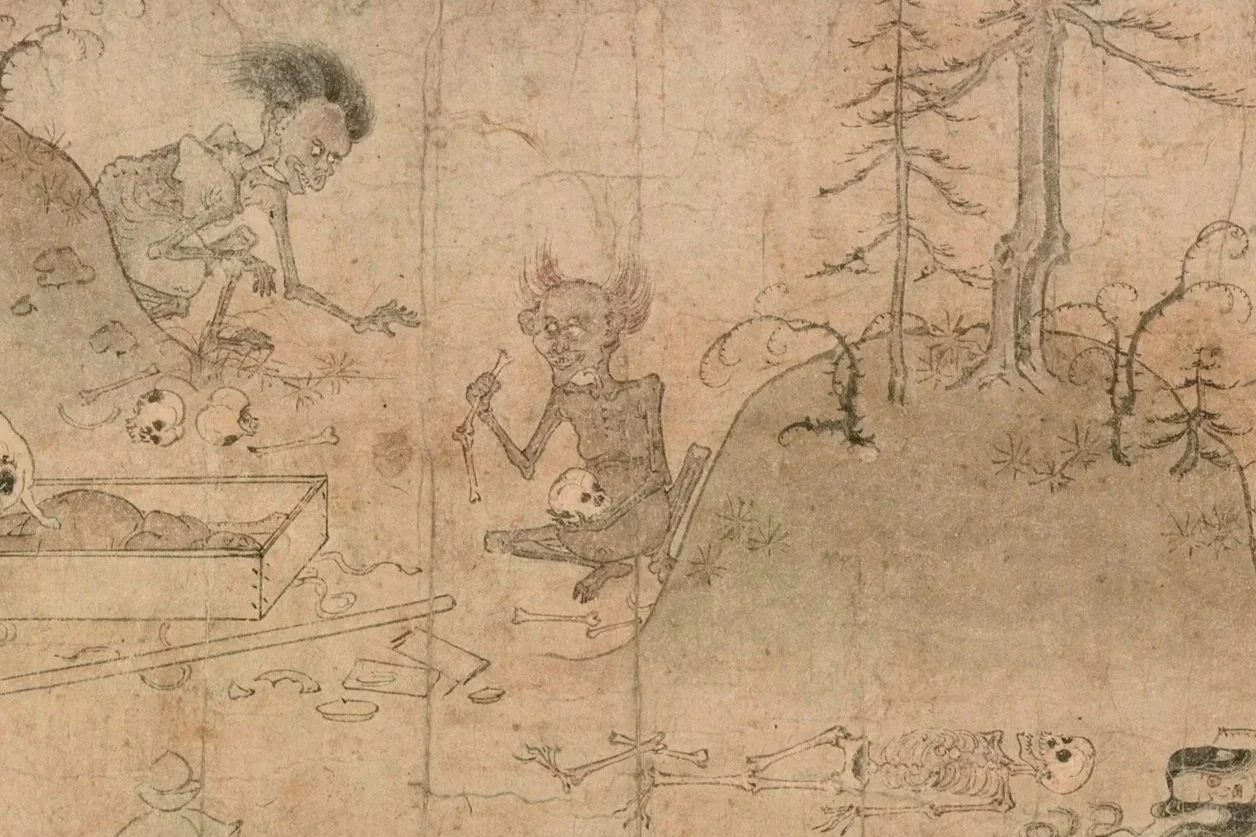
The kingdom of Japan is under siege…but not by human armies. More than revolution or invasion, the greatest threat to the premodern Japanese state was the invisible specter of disease. Drawing inspiration from strategy board games such as Pandemic, this class will develop games that explore ancient and medieval Japanese responses to illness and natural disaster. In the face of repeated and devastating epidemics, how will you save your suffering populace from the rising tide of calamity? Desperate times called for both material and ritual solutions. Can you feed your starving people and appease the angry gods, while doctors, monks, and bureaucrats scramble to distribute the kingdom’s scant supplies of medicine? And will you be prepared when the demons of disease finally come knocking on the doors of your own palace? We will transpose these questions and more onto strategy game formats in order to explore the impact of disease on premodern Japanese society.