

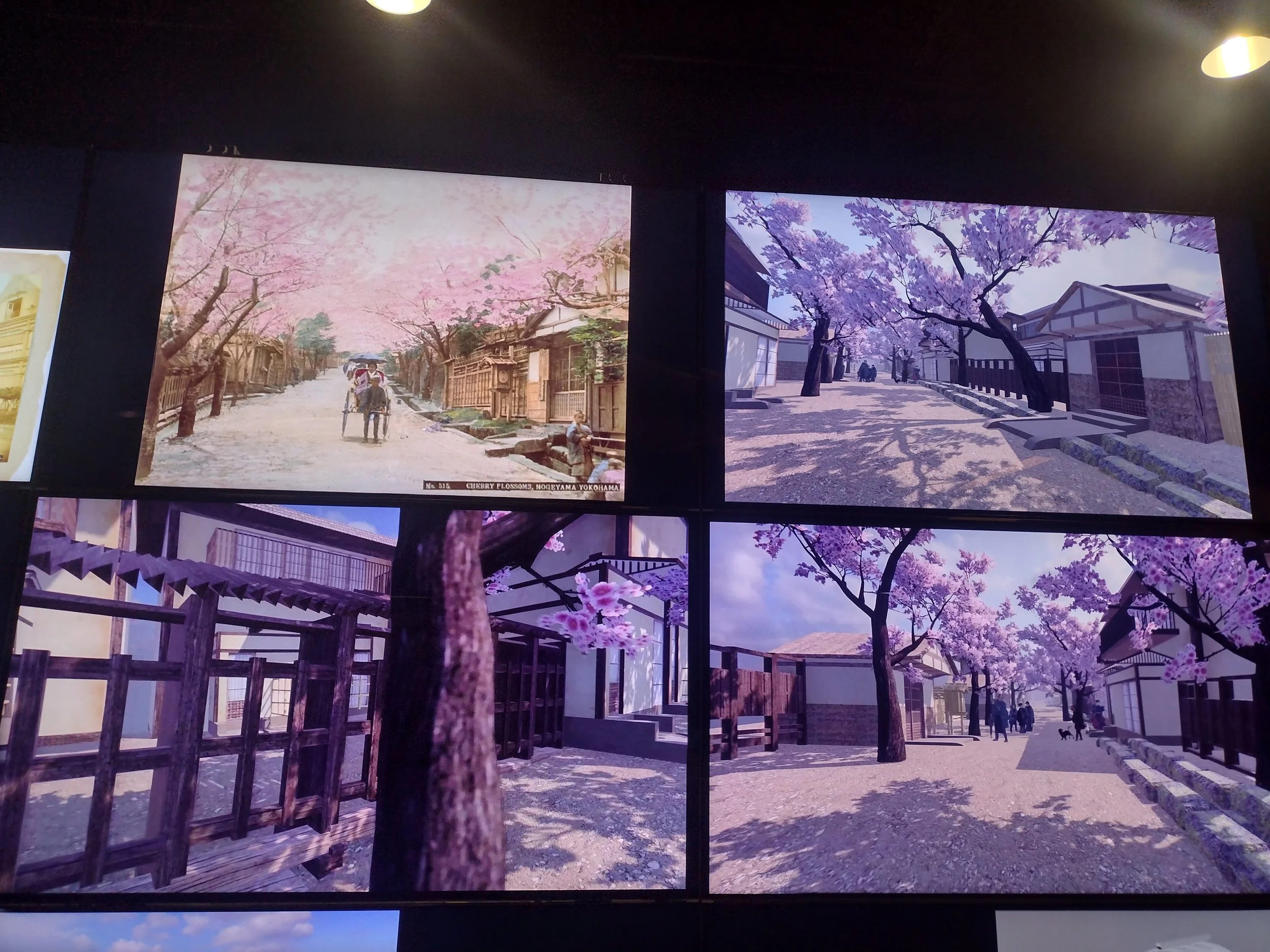
Gaming Japan: JapanLab pairs a seminar on Japanese history, literature, or film with a game development laboratory in which students work in teams to either design and build a game or produce a comprehensive game concept proposal. The first half of the course emphasizes close engagement with primary sources and current scholarship in Japanese Studies while introducing core ideas from game studies. The second half converts the classroom into a collaborative studio where students develop either a playable prototype or a polished concept package through a sequence of scaffolded milestones, playtests, and revisions. The semester concludes with a public showcase in which teams present their prototypes or Game Design Document. For Fall Semester 2026, we are recruiting for teams for two courses. See all the details below.
HIST 366 JapanLab History Game Development
Trust and Treachery - Samurai Mercenaries in Southeast Asia
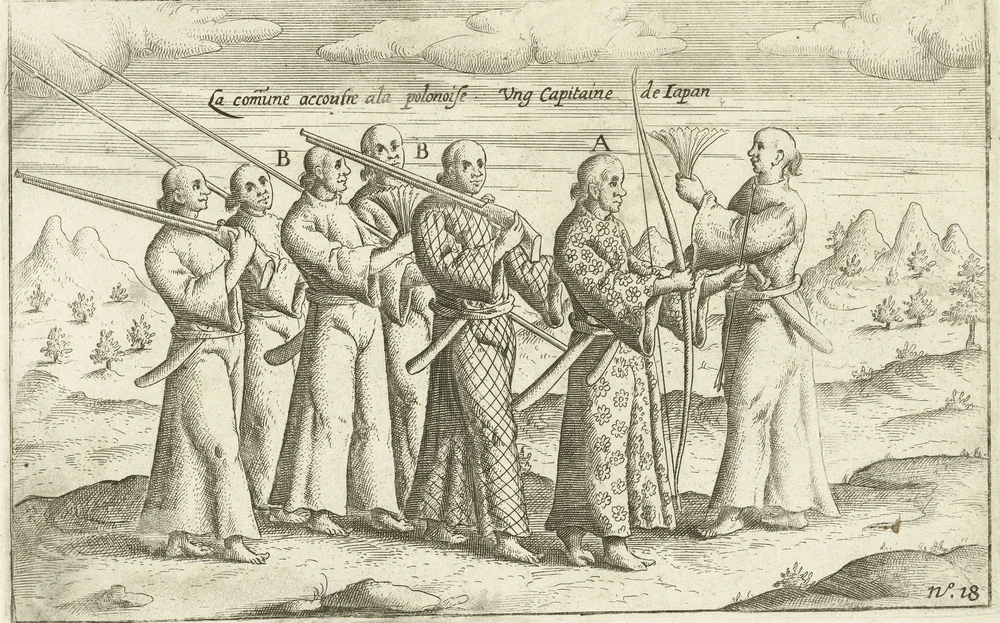
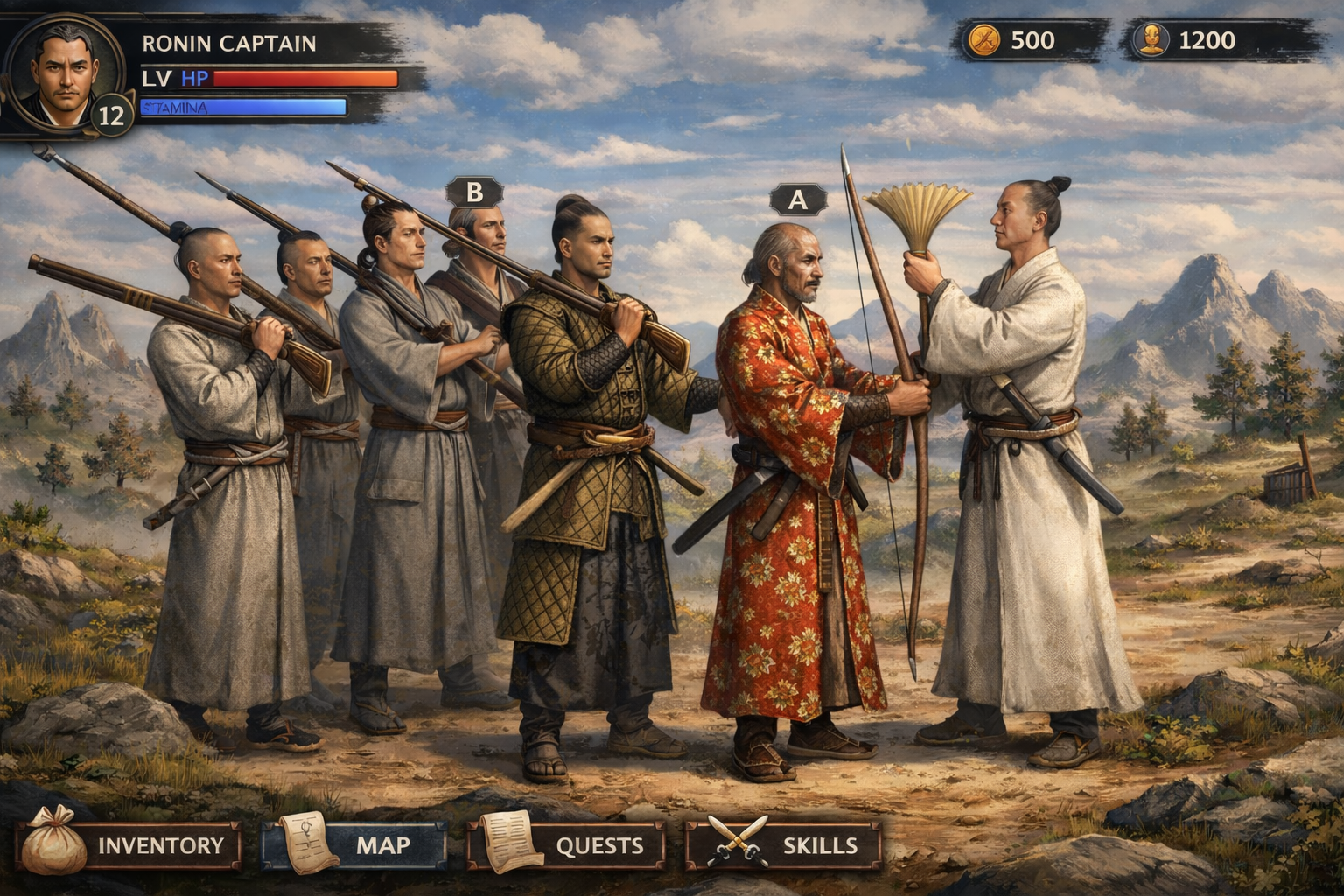

In the early seventeenth century, Japan was connected up to wider circuits of trade and migration. During this period, the Japanese mercenary became a familiar figure on battlefields across Southeast Asia. In Ayutthaya (modern Thailand), successive kings recruited large contingents of these troops while the Dutch East India Company hired hundreds of these soldiers to wage war on its behalf across the region. Japanese mercenaries were thrown into brutal combat across the region including in the famous Spice Islands. They were also at the center of a series of controversial episodes in which they were accused of plotting against their employers. Such accusations came with real consequences. Japanese districts were razed to the ground, while in Amboina Japanese mercenaries were tortured and eventually executed for treason.
Despite their importance, Japanese mercenaries have been largely forgotten. Who were they? Why did they travel so far from their homes? Did they actually plot against their employers or were they falsely accused? This course explores what it means to be a mercenary, the nature of private violence in a globalizing world and the brief but bloody lives of these lost samurai. It will provide you with enough history to start developing the first video game designed to bring these forgotten figures to life.
ANS 361 JapanLab Literature/Film Game Development
Adapting a Classic


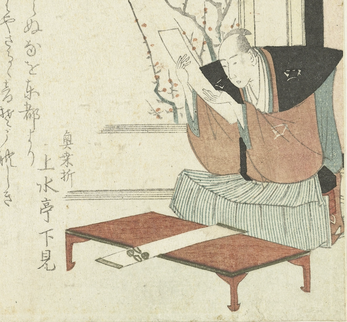
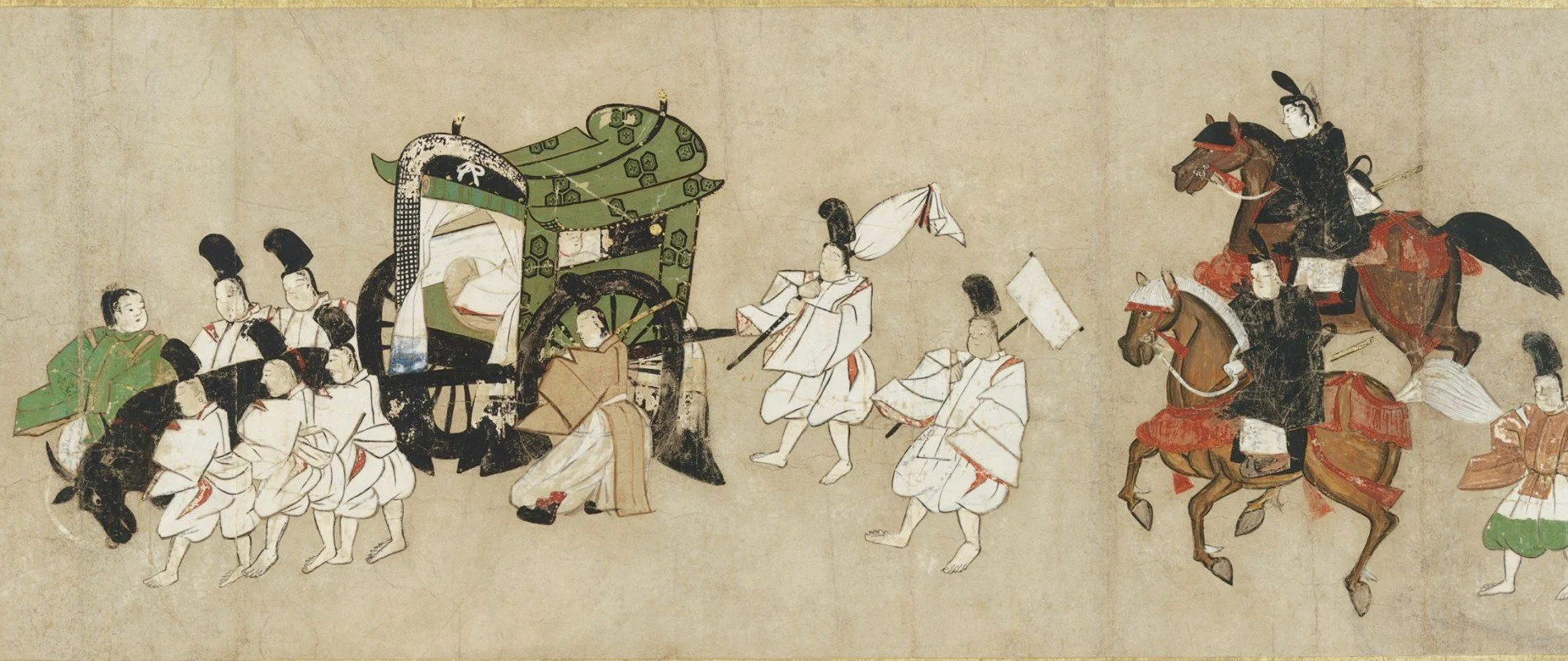
Stories exist to be retold, and to change in the retelling. From oral traditions to written text to animation and, some stories have been retold and reinvented across time. Japan is no exception. From the courtiers of the Tale of Genji and the warriors of the Tale of the Heike to Godzilla’s Tokyo, the Japanese canon is constantly being reinvented. This course will add video games to the conversation by adapting a canonical work of Japanese literature or film into an educational game. In doing so, teams will transform that work and face the challenges that have always faced adapters of stories—how do you take a classical story and make it matter today?
Before creating our own adaptations we will look at how the adaptation process has been influenced by a number of factors, including the cultural, political, and gendered identity of the artist, and how it has been shaped by differences in genre and medium. What does it mean to make a story interactable, and how can the medium of video games transform a classic tale?
Apply by March 15th using this form.
Applications are competitive as space is limited. It will take around 45 minutes to complete the application. Successful applicants will be asked to interview on a rolling basis starting in early March. Find answers to frequently asked questions here.
No prior experience is required, but an ideal team will include students with a combination of:
Traditional art and/or digital art skills
Computer Science / coding experience
Experience in background music and/or sound design
Research experience
Strong creative and/or analytical writing skills
Students with any of the above are encouraged to apply.
Successful applicants will be required to register in the JapanLab Game Dev course, which is at the following times:
HIST 366N (Trust and Treachery): M/W/F 10:00-11:00 AM
ANS 361 (Adapting a Classic): T/Th 11:00 AM - 12:30 PM Code TBD
Expected Learning Outcomes
Understand relevant debates related to important topics in Japanese studies
Analyze how video games make arguments through mechanics, narrative framing, and audiovisual style.
Investigate the video game industry and the key challenges faced by designers of educational video games
Collaborate effectively in defined roles (design, programming, art, narrative, sound, production) using basic project management, version control, and sprint planning.
Produce a game prototype or comprehensive Game Design Document grounded in significant literary texts that demonstrates scoping, iteration, and cross-functional teamwork.
Develop oral communication and presentation skills