

TRUST AND TREACHERY - SAMURAI MERCENARIES IN SOUTHEAST ASIA
The course
JapanLab History Game Development extends the highly successful JapanLab program, which was established in 2021. The course pairs a seminar on Japanese history with a studio laboratory in which students work in teams to either design and build a historical game or produce a comprehensive game concept proposal. Each semester the instructor sets a broad umbrella theme and teams pursue projects within that frame. The first half of the course emphasizes close engagement with primary sources and current scholarship while introducing core ideas from game studies. The second half converts the classroom into a collaborative studio where students develop either a playable prototype or a polished concept package through a sequence of scaffolded milestones, playtests, and revisions. The semester concludes with a public showcase in which teams present their prototypes or Game Design Document to peers and faculty.
The Game
This semester we will be developing video games focused on samurai mercenaries who found employment across Southeast Asia.
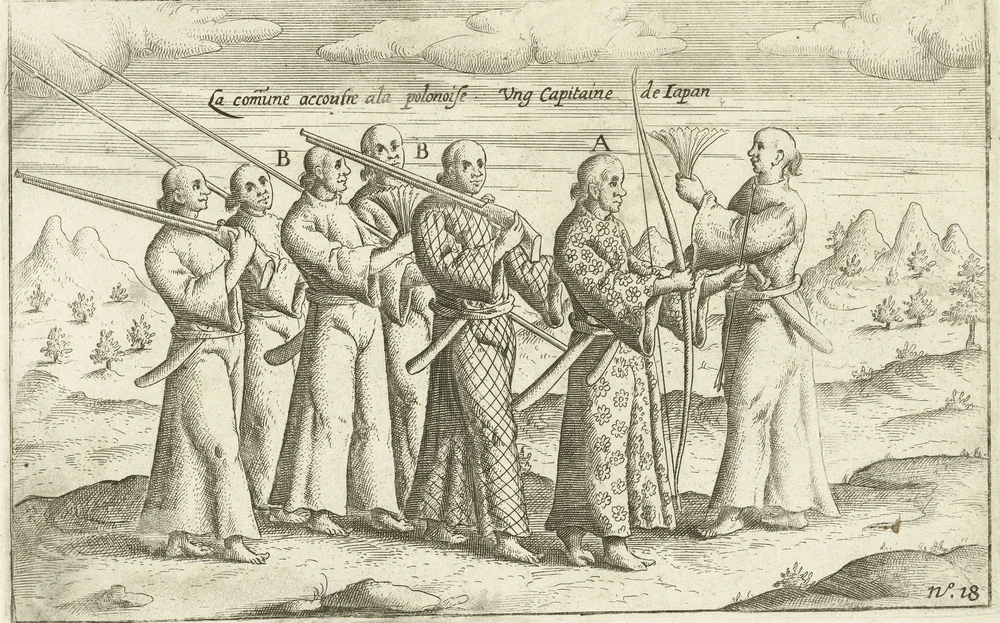
In the early seventeenth century, the Japanese mercenary became a familiar figure on battlefields across Southeast Asia. In Ayutthaya (modern Thailand), successive kings deployed a large contingent of these troops; in the Philippines Japanese recruits engaged in the bloody suppression of Chinese revolts on behalf of their Spanish masters; and in Cambodia, Japanese soldiers bolstered local forces gathered to resist a potential invasion. The Dutch East India Company set up a systematic and highly ambitious program to recruit thousands of these soldiers to wage war across Southeast Asia.
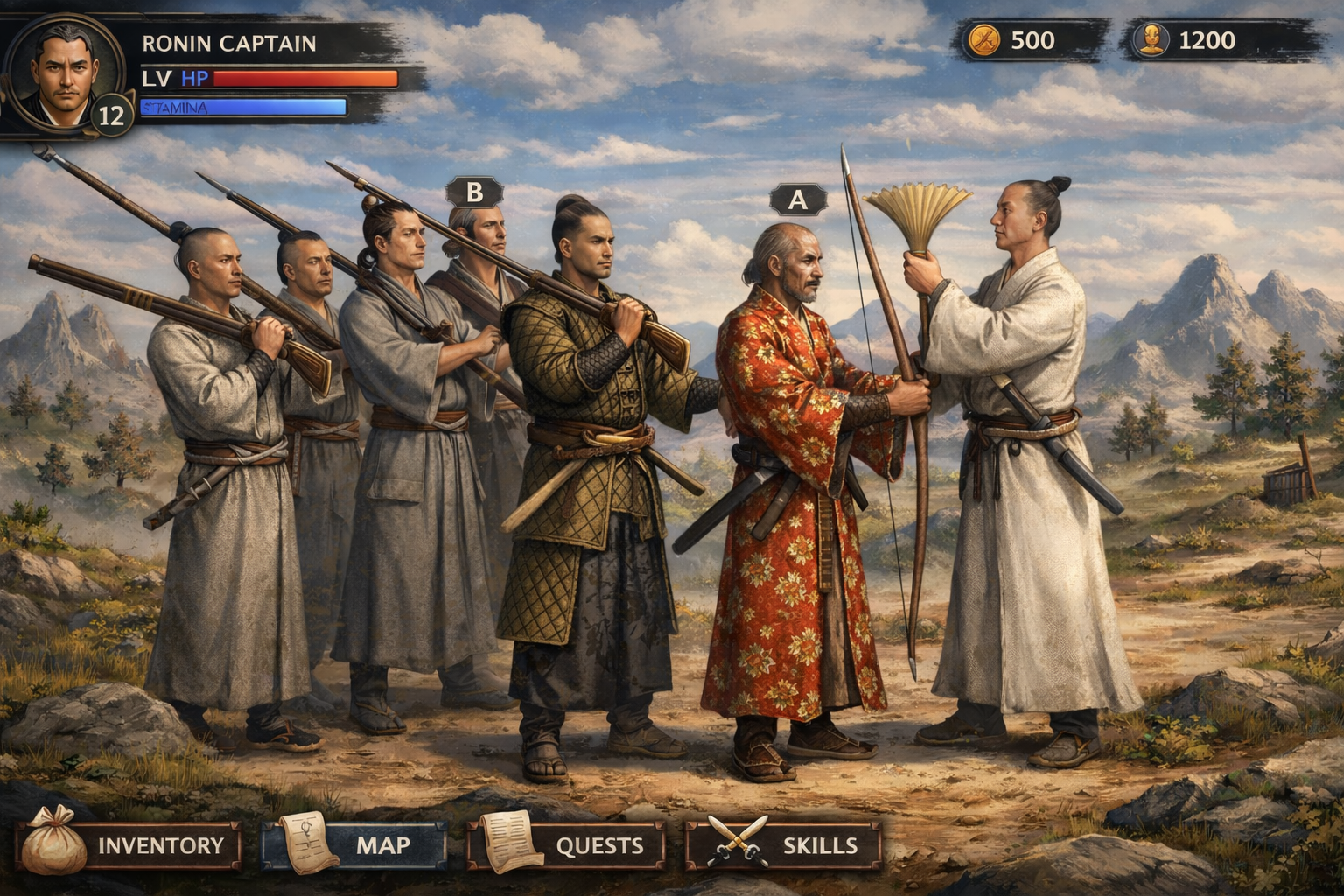
Who were these mercenaries? Why did they travel so far from their homes? Did they actually plot against their employers?
Despite their importance, these mercenaries have been largely forgotten. This class aims to take this fascinating but essentially unknown history and turn it into a compelling, educational video game. Some Japanese mercenaries survived to old age, but most died young. They were thrown into battle as expendable soldiers. Or they were accused of conspiracy and betrayal by their former masters with disastrous consequences. In Ayutthaya, the Japanese settlement was razed to the ground after accusations of a plot to seize power. The Dutch East India Company tortured it own soldiers while claiming to have discovered a massive conspiracy at Amboina.
This course explores what it means to be a mercenary, the nature of private violence in a globalzing world and the brief but bloody lives of these lost samurai. It will provide you with enough history to start developing a game to bring these forgotten figures to life.





Apply by November 30 using this short survey
The application process is competitive. Successful applicants will be asked to interview the week of December 4-8.
No prior experience is required, but an ideal team will include students with a combination of:
Traditional art and/or digital art skills
Computer Science / coding experience
Experience in background music and/or sound design
Strong creative and/or analytical writing skills
Students with any of the above are encouraged to apply.
Digital Humanities Intern Responsibilities
Familiarize yourself with the Amboina conspiracy trial.
Take the lead on your portion of the game, and assist on others:
a. Use historical artwork. develop original artwork, or a combination thereof.
b. create an engaging story with exciting dialog
c. Design and code the game using the Ren’py Visual Novel Engine or Unity.
d. Create an appealing user interface.
Participate in testing and refining the game created by the group.
Attend weekly meetings. See Parameters below for details.
Digital Humanities Intern Learning Outcomes
Interdisciplinary research experience
Gain familiarity working with and interpreting textual and visual sources for a public audience
Experience working as part of a team to complete a real, useable project
Experience working in Unity or Ren’py, a popular visual novel engine.
Parameters
Successful applicants will enroll in a COLA internship—or the equivalent for their own college—in digital humanities via registration for LA 320wb (3 hours of credit and letter grade that counts toward GPA).
Interns will work 10 hours a week, including group meetings, and must be available to meet at least once a week.
You will be working closely with Dr Adam Clulow, who is a leading expert on the Amboina conspiracy trial.